
The Sky-Blue Tide: How Argentina's Faithful Turned 2026 Into a Continental Pilgrimage
From São Paulo to the final whistle, Argentina's travelling supporters painted the World Cup in their colours—and nearly brought it home.
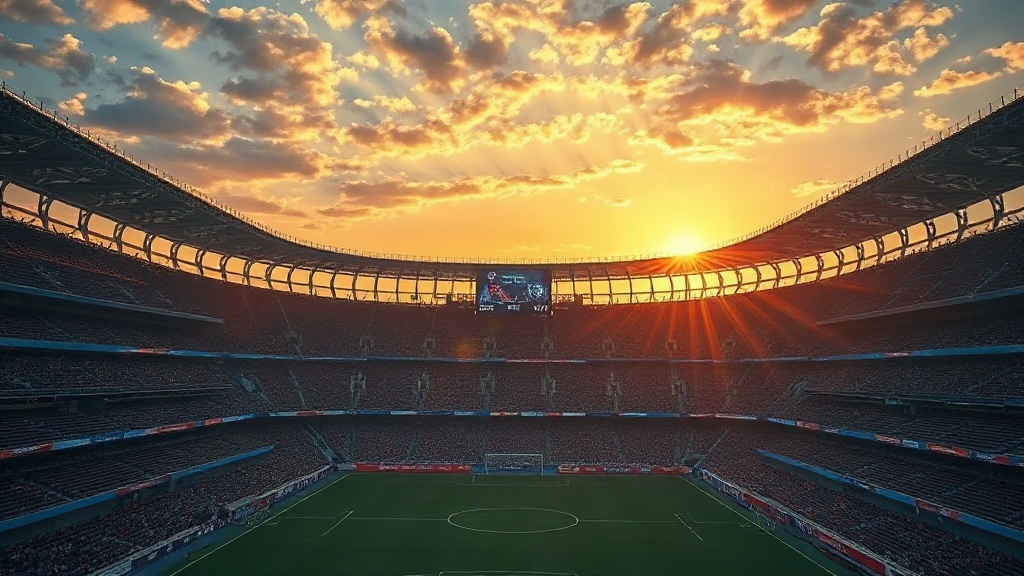
By the time Argentina faced Brazil in the semi-final on 2026-102, the host nation's cities had already been claimed—not by conquest, but by song and colour. From the moment Lionel Messi opened Argentina's campaign with a goal against Algeria, the light-blue and white stripes appeared in every stadium: draped from upper tiers, sewn into flags the size of billboards, worn on the faces and chests of supporters who had travelled thousands of kilometres to witness their nation's latest chapter. The 2–3 victory over Brazil, secured by Lautaro Martínez's extra-time winner, was less a football match than a collective exhale—and a signal that Argentina's supporters would not leave without their prize.
The phenomenon was rooted in something deeper than mere fandom. Argentina's travelling support carries the weight of 1978 and 1986, of Maradona's transcendent nights, of a nation that has long seen the World Cup as a referendum on its own spirit. In 2026, with the tournament hosted across South America, that proximity transformed expectation into pilgrimage. Families saved for years. Entire neighbourhoods emptied. The supporters' clubs—the barras and hinchadas that form the backbone of Argentine football culture—coordinated logistics with the precision of military campaigns. They were not merely fans; they were ambassadors of a dream.
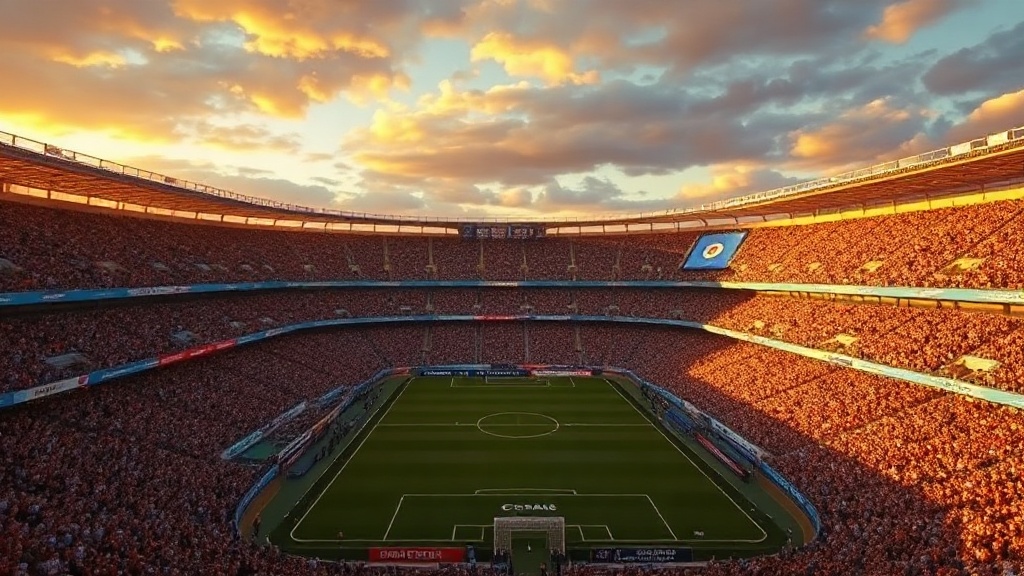
Yet the semi-final victory, glorious as it was, came at a cost. Vinícius Júnior had opened the scoring; Raphinha had levelled it. The match swung on margins and moments, on Martínez's instinct in the 109th minute. In the final against France three days later, that exhaustion—physical and emotional—would tell. France's Kylian Mbappé, operating at the peak of his powers, scored twice in the 2026-104 final. Julián Alvarez and Lautaro Martínez answered for Argentina, but in the end, Ousmane Dembélé's extra-time goal proved decisive. France won 3–2, and Argentina's supporters fell silent.
Yet silence in defeat is not the story of Argentine football. In the hours after the final whistle, the sky-blue and white did not vanish from the stadiums. Supporters remained, singing—not in mourning, but in defiance, in memory of a campaign that had taken them to the brink. They had painted the tournament in their colours, had nearly brought it home. That they fell short does not diminish what they built: a testament to a nation's unshakeable belief that football, in the end, is about more than victory. It is about the journey, the colours you carry, and the distance you will travel to defend them.
Related Matches

AI-generated predictions — not real results. Not affiliated with FIFA, its member associations, teams or players.