WC26AI — World Cup 2026 predicted by AI

The tournament, day by day

Journal

A day-by-day diary of the predicted World Cup — a dispatch and the day’s fixtures for every date from the opener to the final. Every result is AI-generated in advance.

  1. Tuesday 9 June

    Two days to kick-off

    Forty-Eight Nations, One Trophy, Zero Certainties

    With 48 teams descending on three nations and France carrying the weight of favouritism, the most ambitious World Cup in history is just 48 hours from ignition.

    The flags are up in Dallas, the turf is freshly rolled in Vancouver, and somewhere beneath the ancient concrete bowl of the Estadio Azteca, a groundskeeper is putting the final touches on a pitch that will host the tournament's opening match in two days' time. Forty-eight nations. Three host countries. One hundred and four matches. FIFA's expanded World Cup has been debated, derided and defended for years — and now, at last, it is almost real. The anticipation hanging over this continent feels less like excitement and more like pressure, the kind that builds before a thunderstorm.

    France arrive as the model's clear favourites, carrying a 16% chance of lifting the trophy — a weight that has historically been as much curse as blessing. Their squad blends the ferocity of a new generation with the hard scar tissue of tournament experience, and if their attack fires in unison they may simply be too much for anyone. Argentina, the defending champions, sit at 10%, Lionel Scaloni's side quietly confident that the muscle memory of winning does not fade in four years. Brazil at 7% feel like a team with a point to prove after years of near-misses, while Spain, also at 7%, carry the philosophical purity of a style that either mesmerises or frustrates depending on which side of it you stand.

    The numbers that will fuel the most conversation, however, belong further down the list. Morocco at 4% are no longer anyone's surprise — they are a genuine structural force, organised and ferocious, and their run to the 2022 semi-finals was no fluke. Turkey at 4% have a generation of players who have matured in Europe's elite club football and arrive with ambition that exceeds their seeding. Portugal, also at 4%, remain a tournament where the question of whether a squad can transcend the sum of its star parts will be asked loudly and answered slowly. England, too at 4%, travel with the familiar cocktail of public hope and private anxiety that has defined their tournament summers for six decades.

    The new 12-group format means the early rounds will be relentless — three matches per group, 48 teams producing a cascade of results that will reshape the bracket daily. Smaller nations have more rope, more margin, more chance to build momentum before the knockout rounds arrive. It is entirely possible that the first genuine shock of the tournament lands on Day One, when Mexico face South Africa under the lights of the Azteca in a match loaded with home-crowd electricity and continental pride. The Azteca has hosted World Cup moments that live forever in football's memory. It is ready to make another.

    Forty-eight hours. The simulations have run, the probabilities are set, and somewhere in the numbers a champion is already written — we just cannot read it yet. That is the beautiful, maddening truth of a World Cup: the favourite is a guess dressed in confidence, and the tournament itself is the only argument that settles anything. Kick-off cannot come soon enough.
  2. Wednesday 10 June

    The eve of the World Cup

    The Calm Before the Beautiful Storm

    Forty-eight nations, three host countries, and one impossible question: who lifts the trophy in July?

    The bags are packed, the anthems rehearsed, the dressing rooms allocated. From Vancouver to Guadalajara, from Kansas City to Monterrey, stadiums that have spent months draped in scaffolding and anticipation are finally ready to receive the world. Tomorrow evening, beneath the vast concrete bowl of the Estadio Azteca — a ground that has witnessed Pelé, Maradona, and every shade of heartbreak the sport can produce — Mexico and South Africa will kick off the most ambitious World Cup in history: 48 teams, 12 groups, 104 matches, and a finish line that feels almost impossibly far away tonight.

    The model gives France the clearest path to glory, a 16% title probability that reflects a squad of almost uncomfortable depth — pace in behind, craft in midfield, and a goalkeeping situation that most nations would trade their entire backroom staff for. Argentina, the defending champions, sit second at 10%, carrying the weight of expectation that comes with a number 10 shirt the whole planet still watches. Brazil and Spain share 7% apiece: one side built on samba pragmatism, the other on a tiki-taka revival that their fans insist is back, properly back, this time.

    The stories that tend to define a World Cup, though, rarely belong to the favourites alone. Morocco arrive at 4% — the same odds as England, Turkey and Portugal — and they will remind anyone who needs reminding that they reached the semi-finals last time out and have spent four years building on it. Turkey, meanwhile, are the side that neutrals will quietly circle: talented, volatile, capable of a performance that makes the highlights package for years. England carry, as ever, the particular burden of a nation that has convinced itself this is finally the one.

    Three host nations add their own subplot. The United States, Canada and Mexico each enter the group stage with partisan home crowds that can turn an ordinary afternoon into something atmospheric and strange. The Azteca opener sets the tone: Mexico under the lights, South Africa looking to announce themselves, and a global audience of hundreds of millions tuning in for the first time. That match alone — before a single group table is meaningful — will feel like an event.

    So here we are, on the eve of it all. The models have run their simulations, the probabilities are set, and tomorrow the beautiful, chaotic, entirely unpredictable process of proving them right or wrong begins. Forty-eight teams believe they have a chance. Statistically, most of them are wrong. But football has never cared much for statistics after the whistle blows. The Azteca awaits.

  3. Thursday 11 June

    Group StageYou are here

    Mexico Roars Past South Africa in Group A Opener

    Giménez strikes twice as hosts make a statement with a commanding 3–1 victory in their first match.

    The roar from a packed house in Mexico echoed across the stadium as Santiago Giménez doubled his tally in the 83rd minute, sealing a confident 3–1 victory over South Africa in Group A's opening fixture. The Mexican forward had already put his team ahead in the 14th minute, and with the crowd at his back, he showed the clinical finishing that could define this tournament for the hosts.

    South Africa fought hard and got their reward through Lyle Foster's 38th-minute strike, briefly drawing level on the scoreboard if not in spirit. But Mexico's control never wavered. Raúl Jiménez added the crucial third in the 61st minute, a poacher's finish that broke South African resistance and sent the home fans into raptures.

    For Mexico, playing in front of their own supporters on opening night, this was the statement they needed to make. Two goals from Giménez suggest a forward in peak form, while Jiménez's presence in the box remains a constant threat. South Africa depart with nothing but lessons learned—they matched their hosts' intensity at times, yet Mexico's experience and home advantage proved decisive.

    The Group A picture is already taking shape. Mexico have seized the initiative; their next moves will set the tone for how far a team with genuine aspirations can travel in this expanded tournament format.

  4. Friday 12 June

    Group Stage

    David's Brace Steers Canada Past Bosnia; Korea Stuns Czech Republic

    Two Group Stage upsets reshape early tournament momentum as strikers seize their chances on a pivotal Friday night.

    Jonathan David did not waste time announcing Canada's arrival at a World Cup where they are still learning to walk. The Lille forward struck twice—at 23' and 78'—to carry the Maple Leafs past Bosnia and Herzegovina 2–1 in a Group B encounter that felt less like a coronation of the underdogs and more like a statement of intent. Ermedin Demirović pulled one back from the spot in the 54th minute, but David's composure in the closing stages sealed what could prove a crucial three points in a congested group.

    In Group A, South Korea's midfield craft and Son Heung-min's late brilliance proved too much for a Czech Republic side that looked to have stolen a point. Lee Kang-in's opener in the 23rd minute gave the Koreans early control, but Patrik Schick's reply in the 54th seemed to have reset the match. Son, however, had other ideas, curling home the winner in the 78th minute to send the Seoul contingent among the crowd into raptures. It was a reminder that South Korea's experience in these tournaments—and their ability to find a goal when it matters—should not be underestimated.

    Both results carry weight beyond the scoreline. David's brace suggests Canada may have found the clinical edge they lacked in qualifying. For South Korea, a win over a European side of Czech Republic's pedigree is the kind of scalp that builds confidence in a tournament where every point is currency. Two matches, two different stories, but the same lesson: the Group Stage has teeth, and the pretenders are showing sharper ones than expected.

  5. Saturday 13 June

    Group Stage

    Pulisic Ignites Home Hopes as Brazil Survives Moroccan Scare

    The USMNT, Switzerland and Brazil all claimed opening wins on a day that proved no group is a given.

    Christian Pulisic made an instant impression on home soil, rifling in a 23rd-minute opener as the United States edged past Paraguay 2–1 in Group D. The match swung when Timothy Weah sealed it late, but Paraguay's Antonio Sanabria kept the hosts honest with a 54th-minute equalizer. For a team carrying the weight of expectation on American grass, Pulisic's early strike was the kind of statement the hosts needed.

    In Group B, Switzerland dismantled Qatar with clinical efficiency, running out 3–1 winners in a performance that suggested the Qataris' World Cup experiment has already run its course. Breel Embolo opened the scoring in the 18th minute, and though Akram Afif equalized for Qatar just before the half, Rubén Vargas and Noah Okafor's late goals sealed a convincing Swiss victory that sends them to the top of their group.

    Brazil's opening, meanwhile, was far more fraught than their pedigree suggested. Vinícius Júnior's 23rd-minute goal gave them an early lead against Morocco, but Ayoub El Kaabi's 55th-minute strike leveled the tie and set up a tense final stretch. Neymar, playing in what may be his last World Cup, settled it with a 78th-minute winner—a reminder that even the favorites need character to navigate the group stage minefield. The Seleção lived to dominate another day, but Morocco's resilience has already made them ones to watch.

    Three different narratives, three different outcomes: the hosts finding their groove, a small nation punching above its weight, and a heavyweight scraping through. This is why the group stage matters.

  6. Sunday 14 June

    Group Stage

    Germany's Blitz, Scotland's Grit, and the Favourites' First Reckoning

    Five goals, four scorelines, one message: the tournament's elite are here to dominate, but the underdogs have teeth.

    Germany announced itself with a statement of intent, dismantling Curaçao 5–0 in Group E. Florian Wirtz opened the floodgates after eleven minutes, and the rout was on: Kai Havertz struck twice (28', 61'), Jamal Musiala added a third before half-time, and substitute Maximilian Beier sealed it late. The Germans are playing the football they promised—fluid, relentless, and already looking like the tournament's most complete outfit.

    Yet the day belonged as much to the fighters. Scotland's 2–1 victory over Haiti in Group C was grit made flesh: Scott McTominay's early header set the tone, Haiti clawed back through Wilson Isidor's 54th-minute finish, but Ché Adams' 76th-minute winner sent the Scots into a frenzy. In Group D, Turkey edged Australia 2–1 in a tighter affair, Arda Güler and Kerem Aktürkoğlu sandwiching Jackson Irvine's equaliser—a reminder that even the larger names must earn their passage.

    Elsewhere, the Netherlands made light of Japan's spirited resistance, prevailing 2–1 thanks to Cody Gakpo's early strike and Memphis Depay's late insurance, though Ritsu Dōan's 54th-minute reply proved Japan won't be mere passengers. And in Group E's tightest contest, Ivory Coast edged Ecuador 2–1: Simon Adingra's 23rd-minute opener held firm until Enner Valencia equalised, before Elye Wahi's 78th-minute winner sent the Ivorians top of the group.

    The pattern is clear: the favourites will get their wins, but the margins are narrower than the odds suggest. Scotland's mettle, Japan's poise, Turkey's craft—these teams have come to compete, not fill out a fixture list.

  7. Monday 15 June

    Group Stage

    Yamal's Youth and Salah's Silence: Europe's Class Tells

    Spain and Belgium steamroll their opponents as young stars announce themselves on the World Cup stage.

    The group stage roared to life on a summer evening across North America, and Europe's elite wasted no time sending a message. Spain dismantled Cape Verde 4–0 in a clinic of precision passing and ruthless finishing, with 17-year-old Lamine Yamal opening the scoring in the 14th minute and adding his name to the growing list of generational talents already turning heads. By the time Nico Williams swept home the fourth in the 78th, the match had become a masterclass: Cape Verde were simply outmatched at every turn.

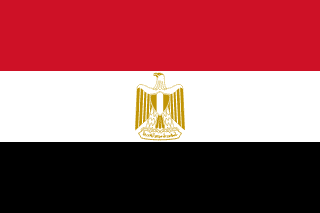
    Belgium's Kevin De Bruyne set the tone for his side's dominance against Egypt with a calm finish in the 18th minute, and despite Mohamed Salah's reply just 16 minutes later, the Egyptians never recovered. Romelu Lukaku restored the two-goal cushion in the 61st, and Leandro Trossard sealed it late. For all the pre-tournament talk of Salah's genius, it was De Bruyne's intelligence and Lukaku's power that ultimately prevailed—a sobering reminder of the gulf between elite club football and the World Cup stage.

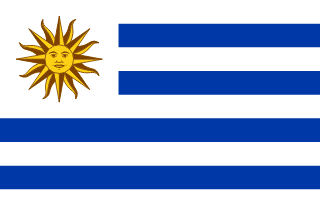
    In Group H's other fixture, Uruguay's Darwin Núñez struck early against Saudi Arabia, then Giorgian de Arrascaeta's coolness in the 76th minute wrapped up a 2–1 win after Salem Al-Dawsari had briefly threatened an upset. The Saudis showed fight, but Uruguay's experience told. Over in Group F, Sweden edged Tunisia 2–1 in a tighter affair: Viktor Gyökeres and Alexander Isak's composure at either end proved the difference, though Hannibal Mejbri's strike kept the North Africans very much in the contest.

    As the dust settled, the evening's lesson was clear: depth, precision, and the ruthlessness of tournament football belong to the established powers. Spain and Belgium announced themselves as genuine contenders; Uruguay and Sweden, meanwhile, have work to do if they're to make real noise in the knockout rounds.

  8. Tuesday 16 June

    Group Stage

    Mbappé and Haaland Light Up Group Stage as Iran Stun New Zealand

    Two of the tournament's brightest stars delivered vintage performances as France and Norway stormed to commanding victories on a scintillating evening of group-stage football.

    Kylian Mbappé announced himself as a force to be reckoned with in this World Cup, scoring twice in France's demolition of Senegal in Group I. The Paris star struck early—18 minutes in—and sealed the rout with a clinical finish in the 78th minute, sandwiching Marcus Thuram's 61st-minute goal in between. Sadio Mané's 37th-minute reply proved a mere consolation in a 3–1 defeat that will sting the Africans, who arrived with genuine hopes of challenging the continent's heavyweights.

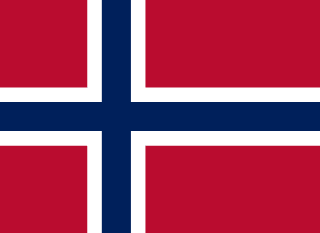
    But if Mbappé was imperious, Erling Haaland was simply relentless. The Norwegian striker bagged a brace as Norway dismantled Iraq 3–1, opening the scoring with ruthless efficiency in the 14th minute and doubling his tally 43 minutes later. Alexander Sørloth added a third in the 78th minute to cap a dominant display, though Iraq's Ali Al-Hamadi grabbed a consolation in the 38th minute that briefly suggested a fight.

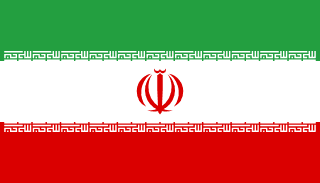
    In a shock that rippled across Group G, Iran produced a composed, clinical performance to blank New Zealand 2–0. Mehdi Taremi set the tone early with a 23rd-minute opener, and Ali Alipour sealed the win deep into the second half at the 71-minute mark. It was a statement of intent from the Iranians, who showed none of the frailty that has dogged their recent tournament campaigns.

    Three matches, three decisive results—and already the contours of these groups are becoming clearer. France and Norway have sent their opening messages loud and clear; Iran, meanwhile, has reminded the world that underestimation can be costly.

  9. Wednesday 17 June

    Group Stage

    Old Guard Strikes: Messi and Ronaldo Lead the Charge

    Argentina and Portugal overwhelm their opponents while England edges a tense contest, but the day's real story is the enduring class of football's greatest icons.

    The opening salvos of Group J and Group K arrived with familiar thunder. Lionel Messi opened Argentina's account at the Estadio in Austin with a clinical finish on 18 minutes, and two minutes later, Cristiano Ronaldo did the same in Lyon—both men now chasing history on the game's biggest stage once more. By the time the dust settled, Argentina had dispatched Algeria 3–1, with Julián Alvarez and Lautaro Martínez adding gloss after Riyad Mahrez's consolation strike, while Portugal demolished DR Congo 4–0 in a display of suffocating control. Rafael Leão, Gonçalo Ramos, and Bruno Fernandes joined Ronaldo on the scoresheet to announce that the defending spirit of Portugal's Euro 2016 vintage remains very much alive.

    Austria provided the day's most ruthless statement, dismantling Jordan 4–0 without breaking a sweat. Marcel Sabitzer, Marko Arnautović, Konrad Laimer, and Michael Gregoritsch each found the net in a performance that suggested the Austrians are far more than makeweights in Group J. If Argentina and Portugal are the group's heavyweights, Vienna's men have muscled in with serious intent.

    England's narrow 2–1 victory over Croatia in a humid Arrowhead Stadium proved far more fraught than the scoreline suggests. Bukayo Saka's early strike gave Gareth Southgate's side breathing room, but Andrej Kramarić's leveller on 54 minutes reignited the old ghosts of tournament heartbreak. Harry Kane's 74th-minute winner—his tournament bow—finally settled nerves, yet the lingering tension underscored that even England's Group L remains wide open. Ghana's 2–1 win over Panama, courtesy of Iñaki Williams's opener and Antoine Semenyo's late clincher, means the African side sits level on points with the English and keeps the group deliciously unpredictable.

    As the sun set across three time zones, the message was clear: the heavyweights have arrived hungry, the surprises are already brewing, and football's greatest players remain the ones who matter most when the pressure is highest.

  10. Thursday 18 June

    Group Stage

    Colombia's Statement, Canada's Surge, and a Czech Masterclass

    Group Stage heavyweights make their intentions clear with convincing wins, while hosts Canada announce themselves as genuine contenders.

    Colombia wasted no time flexing their credentials in Group K, dismantling Uzbekistan 3–1 in a performance that oozed control and precision. Luis Díaz struck early to set the tone at the 14-minute mark, and though Eldor Shomurodov briefly levelled the contest just before the half-hour, the South Americans reasserted dominance through Cucho Hernández's 61st-minute finish and a James Rodríguez flourish in the 79th. It was a vintage display of Colombian attacking football: incisive, patient, and ultimately ruthless.

    The Czech Republic delivered their own masterclass in Johannesburg, edging South Africa 2–1 in a taut affair that swung decisively on Tomáš Souček's 78th-minute clincher. Patrik Schick had given them the platform with an early 23rd-minute goal, but Lyle Foster's 55th-minute reply kept the hosts alive until the Hammers midfielder's late intervention sealed it. For a Czech side that has quietly built momentum, this was a statement: they belong among the tournament's serious operators.

    Canada provided the evening's most exhilarating narrative, overwhelming Qatar 3–1 on home soil in what felt less like a Group B contest and more like a coronation. Jonathan David was the architect of chaos, scoring twice—first in the 14th minute, then again in the 57th—while Cyle Larin's 78th-minute goal put the result beyond doubt. Akram Afif's 38th-minute penalty offered Qatar a glimmer of hope, but the hosts' relentless pressing and clinical finishing left no doubt about who owns this corner of the tournament.

    Switzerland, too, showed their mettle with a 2–1 victory over Bosnia and Herzegovina, Dan Ndoye and Breel Embolo bookending a display of Swiss efficiency. Ermedin Demirović's 58th-minute goal briefly threatened an upset, but the Alpine nation's composure prevailed. By day's end, the group-stage pecking order was already taking shape: the favourites were hungry, and the pretenders were making noise.

  11. Friday 19 June

    Group Stage

    Upsets and Comebacks Shake Group Stage Equilibrium

    Morocco stuns Scotland, while Mexico and the USMNT edge out their rivals in nail-biting finishes across three continents.

    The Group Stage delivered drama from kick-off to final whistle on Friday night. In Group A, Mexico's early dominance bore fruit when Santiago Giménez struck in the 23rd minute, but South Korea's Son Heung-min equalized from nowhere in the 58th. The momentum swung decisively when Raúl Jiménez restored Mexico's lead in the 78th—a clinical finish that leaves the hosts atop their group with breathing room.

    Scotland came to life against Morocco in Group C, Scott McTominay's 34th-minute header giving Steve Clarke's side the advantage. But the Scots couldn't hold it. Brahim Díaz leveled in the 57th, and Ayoub El Kaabi struck the killer blow in the 78th, sending the North African underdogs into the break with an unlikely three points. It was the kind of second-half reversal that could reshape perceptions of this tournament's pecking order.

    Across the border in the United States, the hosts faced a scare from Australia. Christian Pulisic opened the scoring in the 23rd minute, only for Jackson Irvine to shock the crowd with an equalizer in the 57th. But Ricardo Pepi had the final say, lashing home in the 78th to seal a 2–1 victory that keeps American hopes very much alive. Three matches, three comebacks, three different tales—the tournament is refusing to follow the script.

  12. Saturday 20 June

    Group Stage

    Brazil and Germany Assert Authority; Netherlands, Turkey Survive

    Four Group Stage heavyweights deliver statement wins across the tournament, though not all escapes are clean.

    Brazil dismantled Haiti 4–0 in Group C with a masterclass in attacking fluency. Vinícius Júnior opened the scoring in the 11th minute, and the Seleção never relented: Neymar added a second at 34 minutes, Raphinha made it three in the 58th, and Endrick capped a dominant display with a fourth at 78. Haiti, outmatched from the opening whistle, offered little resistance. The scoreline flatters no one—Brazil's front four simply overwhelmed, and the hosts will take considerable confidence into their remaining fixtures.

    Germany's 3–1 victory over Ivory Coast in Group E was equally emphatic in its own way. Florian Wirtz set the tone early with a 14th-minute opener, and though Amad Diallo pulled one back for Ivory Coast at 38 minutes, the Germans reasserted control through Kai Havertz (57') and Jamal Musiala (78'). The Ivorians fought with spirit but lacked the cutting edge when it mattered; Germany's midfield dominance was the difference.

    The Netherlands survived a stern test from Sweden in Group F, winning 3–1 in a livelier contest. Cody Gakpo struck first at 18 minutes, but Viktor Gyökeres equalized for Sweden just before the half-hour mark—a reminder that the Swedes belong at this level. Van Dijk restored the Dutch lead at 57 minutes, and Donyell Malen sealed it at 83. It was the kind of game that separates the elite from the rest: the Netherlands weathered a genuine threat and found the quality to pull clear.

    Turkey's 2–1 win over Paraguay in Group D came with more drama. Arda Güler gave Turkey the lead at 23 minutes, but Paraguay equalized through Antonio Sanabria at 57 minutes—a sudden jolt that set nerves on edge. Kenan Yıldız's 78th-minute winner settled it, but the South Americans proved they will not be mere tournament furniture. Still, Turkey advances with three points and a reminder that no win at this stage is routine.

  13. Sunday 21 June

    Group Stage

    Rout After Rout: The Elite Rise Without Mercy

    Five matches, five decisive victories—the tournament's heavyweights announce their arrival with clinical dominance.

    The opening salvos of Group Stage play have landed with unmistakable force. Spain, Belgium, Uruguay, Ecuador, and Japan each delivered a masterclass in ruthless efficiency, combining for 14 goals and conceding none. The message is clear: the favourites came to the USA, Canada, and Mexico ready to remind everyone why they were favoured.

    Spain's demolition of Saudi Arabia was the day's most breathtaking statement. Lamine Yamal, the prodigy who lit up Euro 2024, struck early at 14 minutes, and the Saudis never recovered. Dani Olmo added a second before the interval; Nico Williams and Mikel Oyarzabal sealed a 4–0 rout that left no doubt about La Roja's credentials. In parallel, Uruguay's Darwin Núñez—the Liverpool striker in imperious form—netted twice against Cape Verde, with Giorgian de Arrascaeta completing a 3–0 triumph that showcased South American poise.

    Belgium's Romelu Lukaku, often a polarizing figure, silenced any doubters with two clinical finishes in a 3–0 dismantling of Iran. Jérémy Doku's creativity in between proved the Red Devils' attacking depth remains a genuine threat. Meanwhile, Ecuador's Enner Valencia opened his tournament account in a 3–0 win over Curaçao, signalling that the South Americans are serious contenders despite their modest seeding.

    Perhaps most intriguing was Japan's 2–1 comeback victory over Tunisia in Group F. Hannibal Mejbri's early strike seemed to have set the North Africans on course, but Ayase Ueda's clinical finish and Ritsu Dōan's late winner proved the Blue Samurai have the composure to turn matches. It was the day's only genuine drama—a reminder that even the group stage's early rounds can spring surprises.

    With such overwhelming dominance from the tournament's elite, the real question becomes not whether the strongest teams will advance, but how much damage they will inflict along the way.

  14. Monday 22 June

    Group Stage

    Salah's Masterclass Lights Up Group G as France Flex Their Muscle

    Egypt's Egyptian magician dazzles in a rout of New Zealand, while Mbappé and France send an unmistakable warning to the rest of the tournament.

    Mohamed Salah announced himself to the 2026 World Cup in the most emphatic way possible, opening the scoring in the 14th minute and orchestrating Egypt's dismantling of New Zealand in Group G. The Liverpool winger's early strike set the tone for a dominant Egyptian performance that only grew sharper as the match wore on. Chris Wood pulled one back for the All Whites in the 38th minute to offer brief hope, but Omar Marmoush and Hamza Abdelkarim's late goals—in the 57th and 78th minutes respectively—put the contest beyond doubt. Egypt's 3–1 victory was a statement of intent: they are no mere group-stage visitors.

    In Group J, Argentina made light work of Austria in a commanding 3–1 win that showcased the defending champions' depth and poise. Lionel Messi struck in the 18th minute to set the early tempo, with Julián Alvarez doubling the lead before the half-hour mark. Christoph Baumgartner's 61st-minute goal briefly sparked Austrian hopes, but Lautaro Martínez's clinical finish in the 78th minute sealed a comprehensive victory. The message was clear: Messi and company are ready to defend their crown.

    Yet it was France's demolition of Iraq that may have sent the loudest shockwave through the tournament. Kylian Mbappé, playing with the hunger of a man determined to prove 2022 was merely prologue, scored twice—in the 14th and 61st minutes—in a 4–0 rout. Marcus Thuram added a second-half goal in the 34th minute, and Michael Olise capped the performance in the 78th. At full tilt and clicking with surgical precision, France looked unstoppable. The defending runners-up have arrived.

  15. Tuesday 23 June

    Group Stage

    Ronaldo's Rout and Haaland's Redemption Mark a Thrilling Group Stage Evening

    Portugal demolish Uzbekistan while Norway and Senegal share spoils in a dramatic draw; England and Croatia cruise past their opponents.

    The Group Stage roared to life on Tuesday evening with five matches that delivered both clinical excellence and heart-stopping drama. Portugal announced their championship credentials with a devastating 4–0 dismantling of Uzbekistan, with Cristiano Ronaldo opening the floodgates in the 14th minute. Rafael Leão, Gonçalo Ramos, and Bruno Fernandes added gloss to the scoreline, each striking with the precision of a team already thinking about knockout football. It was a masterclass in efficiency—no wasted motion, no mercy shown.

    But the evening's most gripping contest unfolded in Group I, where Norway and Senegal played out a thrilling 2–2 draw that had the crowd on their feet until the final whistle. Erling Haaland opened and closed the scoring—first at 14 minutes, then again at 77—but Sadio Mané and Nicolas Jackson's strikes sandwiched between them ensured neither side could claim victory. Both teams showed the attacking intent that makes them dangerous; both also showed the vulnerabilities that will keep them nervous about their remaining group matches.

    England swept past Ghana 3–1 at a packed American stadium, with Harry Kane and Bukayo Saka doing the early damage before Jude Bellingham's late flourish sealed the victory. A goal conceded to Iñaki Williams suggested defensive lapses that Gareth Southgate will want addressed, but the efficiency of Kane's opening and the pace of Saka's finishing left no doubt about England's tournament pedigree. Croatia, meanwhile, dispatched Panama 2–0 with goals from Andrej Kramarić and Ivan Perišić, establishing themselves as Group L's likely favorites. In Group J, Algeria edged Jordan 2–1—Amine Gouiri's early strike and Riyad Mahrez's composed finish securing three points despite Musa Al-Taamari's spirited response for the hosts.

    As the dust settles on matchday one, the picture is already becoming clear: the traditional powers are delivering, the underdogs are fighting, and the next round of fixtures will sort the pretenders from the genuine contenders.

  16. Wednesday 24 June

    Group Stage

    Vinícius and the Heavyweights Assert Dominance

    Brazil's attacking brilliance and Morocco's ruthless efficiency set the tone as favourites begin to flex their muscles.

    Brazil looked every inch the tournament favourite on a warm evening in the Group C opener, with Vinícius Júnior opening the scoring in the 23rd minute before Neymar sealed a 2–0 victory over Scotland with a clinical finish in the 67th. The Scots, buoyed by their home confederation's hopes, found themselves overrun by a Seleção side moving with purpose and poise. There was no drama here—just a statement of intent.

    But if Brazil's win felt inevitable, Morocco's demolition of Haiti was something else entirely. The North Africans were merciless, with Brahim Díaz striking first in the 14th minute before Ayoub El Kaabi—who would add a second in the 78th—and Soufiane Rahimi piled on in between. A 4–0 scoreline on this stage sends a message about depth and hunger that few can ignore.

    Colombia's Group K clash with DR Congo produced a thrilling counterpoint: Luis Díaz opened the floodgates in the 14th, Cucho Hernández made it two before the break, and James Rodríguez added gloss late on. Yoane Wissa's 56th-minute reply kept things nominally interesting, but the Colombians' attacking verve was never in doubt.

    Switzerland edged a tighter affair against Canada in Group B, Dan Ndoye's early strike and Breel Embolo's 76th-minute clincher sandwiching Jonathan David's consolation. And Bosnia and Herzegovina's 3–1 dismantling of Qatar—with Ermedin Demirović and Edin Džeko combining to subdue their opponents—rounded out a day where the tier-one nations reminded everyone why they are favoured.

    The pattern is clear: depth, finishing, and confidence are already separating the contenders from the rest.

  17. Thursday 25 June

    Group Stage

    Six Goals, Six Nations, One Clear Message

    Europe's heavyweights flex muscle while Mexico and South Korea stake early claims in their groups.

    The second day of Group Stage action delivered exactly what the oddsmakers feared: the big teams showing why they came to North America as favourites. Germany and the Netherlands both cruised to convincing wins, the latter demolishing Tunisia 3–0 in a performance of almost casual dominance. Cody Gakpo's 18th-minute opener set the tone; by the time Donyell Malen finished it off in the 78th, the Dutch were already thinking about knockout football.

    But the evening belonged to Mexico and South Korea, who each stole victories in the high-altitude dramas of Group A. Santiago Giménez' early strike gave Mexico the lead against Czech Republic, only for Patrik Schick to equalize before half-time—until Raúl Jiménez' 73rd-minute winner sent the home crowd into raptures. Across the group, South Korea's Son Heung-min broke the deadlock against South Africa on the hour, and Hwang Hee-chan sealed it late, giving Paulo Bento's side a perfect start.

    Germany's win over Ecuador in Group E was the day's most clinical: Jamal Musiala and Kai Havertz both struck in the second half to dispatch Enner Valencia's spirited underdogs. Ivory Coast, too, looked sharp in dismantling Curaçao 3–1, with Amad Diallo's 57th-minute finish a reminder of their attacking depth. In Japan's 2–1 thriller with Sweden, Takefusa Kubo's early strike held up despite Alexander Isak's response, Ayase Ueda settling it late. The margins were thin, but the story was clear: possession, experience, and clinical finishing were already separating the contenders from the rest.

  18. Friday 26 June

    Group Stage

    Mbappé Lights Up the Opener; Turkey Stuns the Hosts

    France's forward dazzles with two goals in a rout of Norway, while an upset in Group D reshapes the tournament landscape.

    The tournament's first full day of group-stage football delivered drama in equal measure: a statement from the favorites and a jolt to the hosts' hopes. In Lyon, Kylian Mbappé announced himself with a pair of clinical finishes, opening the scoring in the 18th minute and sealing France's 3–1 victory over Norway with another in the 78th. Marcus Thuram added a third in the 61st minute, turning what might have been a close contest into a coronation. Erling Haaland's 34th-minute goal kept the Norwegians briefly in the hunt, but France's poise and precision proved overwhelming.

    The real shock came in Arlington, Texas, where Turkey dismantled the United States in Group D. Arda Güler struck first in the 23rd minute, and though Christian Pulisic equalized eight minutes into the second half, Kenan Yıldız's 76th-minute winner sent the Turkish support into raptures. For the hosts, who arrived with genuine ambitions of a deep run, the loss is a body blow—and a reminder that home advantage counts for little when the football isn't there.

    In Dakar, Senegal made short work of Iraq with a dominant 3–0 performance. Sadio Mané opened the floodgates in the 18th minute, Nicolas Jackson doubled the lead in the 54th, and Iliman Ndiaye completed a comfortable evening in the 78th. Across the Atlantic, Paraguay's resilience earned them a 2–1 win over Australia in Group D: Julio Enciso's early strike was matched by Ajdin Hrustic's second-half equalizer, but Antonio Sanabria's 78th-minute goal proved decisive.

    The standings are already taking shape, and the narrative is clear: France look the real deal, the USMNT's World Cup honeymoon is over, and Group D is anyone's to win. Tomorrow brings more group football, but this evening belongs to Mbappé and the lesson he delivered in Lyon.

  19. Saturday 27 June

    Group Stage

    Spain and Belgium Assert Early Muscle as Underdogs Bite Back

    The tournament's heavyweights deliver emphatic statements while Cape Verde and DR Congo refuse to be pushed around in a thrilling day of Group Stage football.

    Spain made short work of Uruguay in a vintage display, with Lamine Yamal opening the scoring in the 18th minute and Dani Olmo sealing it late—Darwin Núñez's 54th-minute reply proving mere consolation in a 2–1 defeat that leaves the South Americans with work to do. Belgium, meanwhile, dismantled New Zealand with surgical precision, Romelu Lukaku setting the tone early before Jérémy Doku and Kevin De Bruyne added gloss in a commanding 3–0 victory that sent a message to the rest of Group G.

    England showed no mercy to Panama, running out 3–0 victors behind goals from Bukayo Saka, Harry Kane, and a composed finish from Jude Bellingham—a statement of intent from Gareth Southgate's side that will have rivals taking note. The day's narrative, however, belonged to the scrappy, resilient underdogs. Cape Verde, for all their ambition, fell 2–1 to Saudi Arabia despite Jovane Cabral's early strike, while Egypt edged Iran 2–1 in a tense Group G affair, Mohamed Salah's 18th-minute opener ultimately vindicated by Omar Marmoush's late winner.

    The most intriguing result came from Group K, where Colombia and Portugal played out a pulsating 2–2 draw: Luis Díaz and Cucho Hernández's goals bracketing Cristiano Ronaldo's 34th-minute penalty and Rafael Leão's 61st-minute reply. Elsewhere, DR Congo claimed a 2–1 scalp over Uzbekistan, Cédric Bakambu's late goal proving the difference, while Croatia edged Ghana 2–1 in a Group L thriller, Ivan Perišić's 78th-minute strike settling a contest that saw Iñaki Williams' equalizer quickly undone.

    With the big teams flexing and the minnows refusing to lie down, the tournament is already delivering the unpredictability that makes these four weeks intoxicating.

  20. Sunday 28 June

    Round of 32

    David Delivers Canada Into the Last Sixteen

    Jonathan David's second-half brace sinks South Korea, while Argentina cruise and Austria edge a dramatic North African thriller.

    The night belonged to Jonathan David. In front of a roaring home crowd that felt like it stretched from Vancouver to Halifax, the Lille striker announced himself as Canada's tournament talisman with two clinical finishes to see off a spirited South Korea side. Son Heung-min had given the Taeguk Warriors the lead on 34 minutes — a typically incisive run and composed finish that briefly silenced the partisan stands — but David levelled with a poacher's header on 58 minutes before drilling a low drive into the bottom corner on 81 to seal a 2–1 win. As a co-host nation, Canada have now made the knockout rounds, and the belief coursing through this squad is something entirely new.

    Argentina, meanwhile, were utterly merciless. Group J was already settled before kick-off, but Lionel Messi treated the occasion in Kansas City as anything but a formality, curling a trademark free-kick past the helpless Jordan goalkeeper on 18 minutes. Julián Álvarez added a predatory second on 54, and Lautaro Martínez completed the 3–0 rout on 78 to underline just how deep this squad runs. The defending champions have glided through the group stage without conceding a single goal — a statement that will have every Round of 16 opponent studying their fixtures with quiet dread.

    The other Group J match produced the drama of the day. Algeria had their moments — Riyad Mahrez equalised on 54 minutes with a sumptuous curling effort that briefly threatened to rewrite the script — but Austria's Marko Arnautović, on as a substitute, had the final word, bundling home the winner on 78 minutes to send the Austrians through at Algeria's expense. It was a cruel end for a Mahrez who had carried his nation's hopes on ageing but still brilliant shoulders throughout the group stage.

    So the Round of 32 picture sharpens. Canada face a genuine test ahead, South Korea depart having shown flashes of their best but ultimately paying for a slow start, and Algeria's tournament ends with the bitter taste of a late sucker-punch. The knockout rounds begin in earnest now — and with Argentina, Canada, and Austria all advancing, the bracket is taking on a fascinating shape.

  21. Monday 29 June

    Round of 32

    Neymar's Ghost and Wirtz's Vision Send Brazil and Germany Through

    Two heavyweights survive scares in the Round of 32 as late goals settle nerves and set up blockbuster quarter-final prospects.

    It was supposed to be a gentle stroll into the last sixteen for Brazil and Germany. Instead, Monday delivered two matches that had neutrals gripping their armrests — each settled only in the final quarter-hour by a moment of individual brilliance. The Round of 32 is proving it has no interest in being a formality.

    Brazil edged Japan 2–1 in what felt, for a long stretch, like a genuine upset in the making. Vinícius Júnior gave the Seleção an early cushion in the 23rd minute, ghosting in behind the Japanese backline and finishing with the casual menace that has defined his tournament. But Japan refused to fold. Ritsu Dōan equalised on 56 minutes with a low, swerving drive that silenced the Brazilian end of the stadium and sent a tremor through the tie. For twenty-two tense minutes, the prospect of a South American giant tumbling out loomed large — until Neymar, introduced from the bench, reminded the world exactly why he still travels with this squad. His 78th-minute winner was vintage: a shimmy, a half-yard of space conjured from nothing, and a finish curled into the far corner. Brazil through, but not without a warning.

    Germany's afternoon in their fixture against Sweden was similarly uncomfortable. Florian Wirtz had looked like he would make it straightforward, opening the scoring in the 23rd minute with a drifting, intelligent run that finished with a composed left-foot finish — the kind of goal that makes opposition coaches reach for their notebooks. But Viktor Gyökeres, Sweden's powerhouse striker who has tormented defences throughout the group stage, levelled on 61 minutes with a bullish header from a corner. Germany suddenly looked rattled, their high defensive line exposed each time Sweden played direct. It took Kai Havertz — lurking on the penalty spot with predator's patience — to head home a Wirtz cross in the 84th minute and restore order. Two-one, and through, but Die Mannschaft will need to be tighter in the next round.

    The storylines heading forward are rich. Brazil must decide whether Neymar can be trusted to start, or whether his cameo role is in fact the smarter tactical choice — a supersub with the capacity to change a game in minutes. Meanwhile, Vinícius continues to look like the most dangerous attacker in the tournament, and the combination of the two in a knockout tie is a mouth-watering prospect for any neutral. Germany, for their part, have Wirtz and Havertz firing in tandem, but the defensive frailties Sweden exposed will be studied carefully by whoever awaits them. The Round of 32 may be over for these two giants, but the real tests are only just beginning.

  22. Tuesday 30 June

    Round of 32

    Mané Breaks Hearts, Mbappe Breaks Records, and the Dutch Bow Out on Penalties

    A breathless evening of Round of 32 action delivered African drama, French brilliance, and a penalty shootout gut-punch for the Netherlands.

    The night's most agonising exit belonged to the Netherlands. In what felt like a cruel replay of Dutch knockout fate, Cody Gakpo's 18th-minute opener and a Virgil van Dijk header deep into stoppage time — the captain hauling his side level at 2–2 in the 87th minute after Brahim Díaz and Ayoub El Kaabi had threatened to end it in normal time — sent the tie to extra time and then penalties. Morocco, composed and clinical from the spot, converted four of four while the Dutch could only manage three. The Atlas Lions advance; the Oranje are heading home. Van Dijk's last-gasp equaliser, so heroic in the moment, will now feel like the cruelest kind of false hope.

    France, meanwhile, are beginning to look genuinely frightening. Kylian Mbappé opened the scoring against Paraguay in the 18th minute and spent the next hour looking like a man playing a different sport to everyone else on the pitch. Miguel Almirón pulled one back for a spirited Paraguayan side on the counter in the 37th — a reminder that South American sides do not simply lie down — but Marcus Thuram's 61st-minute header restored the two-goal cushion, and Mbappé sealed it with his second in the 84th. Two goals, a constant menace, and a performance that has the rest of the draw quietly dreading the quarterfinals.

    The all-African clash in the Round of 32 produced the evening's most emotionally charged match. Ivory Coast, buoyed by a raucous pocket of West African support, took the lead through Simon Adingra's sharp finish in the 34th minute. But Senegal, tournament darlings and continent-wide favourites, refused to bend. Sadio Mané — still doing this, still here — equalised in the 57th with a finish that silenced the Ivorian end, and Nicolas Jackson added a composed 78th-minute winner to send Senegal into the last sixteen. It was a result that felt like a generational handshake: Mané providing the spark, Jackson carrying the torch.

    Three matches, three storylines that will echo through the rest of the tournament. Morocco's penalty shootout nerve sets them up as a genuine dark-horse threat. France look like the machine everyone feared they would be. And Senegal, riding the emotion of an entire continent, are very much alive. The Round of 16 draws closer — and the bracket is tightening beautifully.

  23. Wednesday 1 July

    Round of 32

    Late Goals, Loud Crowds, and a Host Nation Roars

    Mexico, England, and Belgium all survive scares to reach the quarter-finals, each needing a second-half hero to seal the deal.

    The Round of 32 delivered its most dramatic evening yet, and the theme was unmistakable: no lead is safe until the final whistle. Across three pulsating ties, the favourites all edged through — but none of them made it easy. Second-half equalisers threatened to derail each of them before late winners sent their supporters into raptures.

    The loudest roar of the night came in the match that mattered most to the host nation. Mexico trailed to Enner Valencia's 58th-minute equaliser — a cruel moment for the El Tri faithful, given that Valencia has haunted them before — but Raúl Jiménez, a veteran presence in a young squad, had the final word. His 81st-minute winner, composed and clinical, sparked scenes of delirium that spilled well beyond the stadium. Santiago Giménez had opened the scoring in the 23rd minute to give Mexico the ideal start, and in the end his goal proved the foundation for a famous night.

    In the day's second match, England looked to be cruising when Harry Kane converted in the 23rd minute, but Erling Haaland — inevitably — dragged Norway level just before the hour. For a nervy twenty minutes, the prospect of extra time loomed large. Then Jude Bellingham, who seems constitutionally incapable of disappearing in big moments, drove forward and found the net in the 78th minute. England are through, and Bellingham is once again the story.

    Belgium completed the evening's hat-trick of late drama. Kevin De Bruyne, looking every inch the conductor his country needs, opened the scoring in the 23rd minute in what felt like a statement of intent from the Golden Generation's last realistic shot at glory. Patrik Schick's 58th-minute leveller — the Czech Republic's talisman refusing to go quietly — set nerves jangling, but Romelu Lukaku had the final say at the 81st-minute mark, bundling home to send Belgium through. The mirror-image timing of all three matches — opener at 23', equaliser at 57' or 58', winner at 81' — will fuel the statisticians for days.

    Three matches, three identical narrative arcs, three favourites through by the skin of their teeth. The quarter-final draw beckons, and after tonight's evidence, nobody in this tournament should feel safe with a one-goal lead. The Round of 16 cannot come soon enough.

  24. Thursday 2 July

    Round of 32

    Last-Gasp Goals and a Penalty Thriller Light Up the Round of 32

    Yıldız breaks Bosnian hearts, Olmo rescues Spain in the nick of time, and Croatia edge Colombia in a pulsating shootout to set the knockout stage alight.

    The Round of 32 delivered everything a summer evening demands — late drama, veteran cunning, and the kind of penalty shootout that empties stadium bars in an instant. Three matches, three stories, and not a single side that gave an inch without a fight.

    Turkey opened the day's account in what felt like a passing of the torch. Arda Güler — the Real Madrid playmaker who has made this tournament his personal stage — threaded the opener in the 23rd minute with that signature low drive into the far corner, giving Turkey the early cushion they craved. Bosnia hit back through Ermedin Demirović on the hour, the Augsburg striker converting a tidy team move to make it 1–1 and set Bosnian nerves jangling with possibility. But Turkey's other jewel, Kenan Yıldız, had the final word. Nine minutes from time the Juventus winger cut inside and curled a beauty into the top corner — 2–1, and Turkey march on. Two goals from two of the most gifted young players in European football; the draw has been very kind to them, and the rest of the field has been warned.

    Spain required their own late intervention to avoid an almighty scare. Lamine Yamal — seventeen years old and already playing with the arrogance of a man twice his age — opened the scoring in the 23rd minute with a dribble and finish that drew gasps inside the MetLife Stadium crowd. Austria, however, refused to be a footnote. Christoph Baumgartner equalised on 61 minutes with a composed header, and for twenty nervous minutes La Roja looked ragged. Enter Dani Olmo. The Barcelona midfielder, on as a second-half substitute, controlled, turned and lashed a winner in the 84th minute to restore order. Spain are through, but the performance will give their coaching staff pause — Austria exposed real vulnerability down the left flank that better sides will surely probe.

    The match of the day — perhaps of the tournament so far — played out in Kansas City, where Colombia and Croatia served up a four-goal, extra-time classic. Luis Díaz announced himself inside 18 minutes, rifling Colombia into the lead with the kind of finish that reminds you why Liverpool paid so handsomely for him. Croatia, seasoned and unflappable, levelled through Andrej Kramarić before the half-hour was out. Ivan Perišić — ageless, relentless — then put the Vatreni ahead with 67 minutes played, and it looked as though experience would tell. But Cucho Hernández had other ideas. The Columbus Crew striker, playing on home soil in a very real sense, bundled in a 84th-minute equaliser to send the stadium into delirium and force extra time. No further goals came, and when the shootout arrived Croatia held their nerve — 4–3 on penalties — sending Colombia home and confirming that Zlatko Dalić's side remain the tournament's most stubborn survivors.

    Three matches, three different flavours of heartbreak and joy. Turkey's gilded teenagers, Spain's late escape, and Croatia's ice-cold penalty expertise — all three nations now sit in the last 16, each carrying a story that will only grow richer from here.

  25. Friday 3 July

    Round of 32

    Messi, Penalties, and a Swiss Comeback: The Round of 32 Delivers

    Argentina survive a Río de la Plata grudge match, the USMNT scrape through on penalties in a thriller, and Switzerland's Embolo breaks Algerian hearts.

    Three matches, three storylines, zero dull moments — the Round of 32 served up everything a knockout stage is supposed to promise. The evening's most emotionally loaded fixture arrived first in the form of Argentina versus Uruguay, a Clásico del Río de la Plata that crackled with the kind of tension no group-stage draw can manufacture. Lionel Messi, carrying the quiet authority of a man who has already won everything, opened the scoring in the 34th minute with a low, curling finish that silenced the Uruguayan end. Darwin Núñez equalised on the hour to send pulses racing, but Julián Álvarez — increasingly looking like Argentina's engine rather than just Messi's understudy — settled it in the 78th minute with a clinical near-post strike. La Albiceleste march on; La Celeste go home.

    The night's most nerve-shredding spectacle belonged to the host nation. The United States led through Christian Pulisic's composed 23rd-minute finish, but Egypt — backed by a boisterous travelling support inside a rocking stadium — refused to wilt. Mohamed Salah levelled just before half-time with a trademark arrow into the top corner, and when Omar Marmoush put the Pharaohs ahead in the 67th minute, the dream of a home-nation exit felt horribly real. Folarin Balogun, on as a substitute, rescued the USMNT in the 84th minute to force extra time, and when neither side could separate themselves over thirty more breathless minutes, it came down to spot kicks. The Americans held their nerve, converting four from four to win 4–3 on penalties and send the crowd into delirium.

    Switzerland, meanwhile, produced the evening's most satisfying narrative arc. Dan Ndoye gave the Swiss the lead in the 23rd minute with a darting run and composed finish, but Algeria — inspired by a rejuvenated Riyad Mahrez — drew level through the veteran winger in the 57th minute. For twenty minutes the Algerians looked the likelier winners. Then Breel Embolo, a man who has spent years carrying the weight of Swiss attacking expectation, arrived at the back post in the 78th minute to nod home the winner and send Switzerland into the quarterfinals. It was the kind of goal that turns tournaments into memories.

    Looking ahead, the draw is beginning to sharpen into something compelling. Argentina look ominous — Álvarez and Messi combining with that quiet, inevitable quality that champions tend to find in knockout football. The United States will need more than they showed tonight if they are to go deep, but surviving a scare in front of a home crowd can forge a team's belief as much as a comfortable win. And Switzerland, disciplined and dangerous on the counter, are the sort of side that nobody wants to face in a quarterfinal. The last eight is taking shape, and it already looks unmissable.

  26. Saturday 4 July

    Round of 16

    Penalty Heartbreak, Moroccan Magic, and Ronaldo's Roar

    France survive a German epic on penalties, Morocco stun the hosts, and Ronaldo reminds the world he is not done yet.

    The Fourth of July belonged not to fireworks over American stadiums but to football's own brand of theatre — three matches that swung between the sublime and the savage. The evening opened with Portugal's emphatic dispatch of Ghana in what was technically labelled a Round of 32 holdover, but felt every inch like a statement of intent. Cristiano Ronaldo settled any nerves in the 18th minute, finishing with the cold precision that has defined two decades at the top. Iñaki Williams — playing for Ghana, the country of his heritage — answered back in the 34th with a goal that drew the loudest cheer of the night, a reminder of the tournament's beautiful contradictions. Rafael Leão's 61st-minute strike put the game to bed, and Gonçalo Ramos added the gloss at 83'. Portugal march on, Ronaldo's legend still very much being written.

    Canada's Round of 16 dream came undone in painful fashion. Jonathan David gave the home crowd — raucous and desperate to believe — the lead in the 34th minute, and for a spell the Atlas Lions looked rattled. But Morocco are a side built on discipline and late menace. Brahim Díaz, the Real Madrid midfielder playing with the swagger of a man who owns these big occasions, levelled on 58 minutes with a curling effort that had no right to be as good as it was. Then, with nine minutes left, Ayoub El Kaabi arrived at the back post to break Canadian hearts at 2–1. Morocco are through, serene and dangerous, and Canada's fairytale tournament ends with tears on home soil.

    Nothing, however, came close to the sheer drama of Germany against France. Kai Havertz gave the Germans the lead on 23 minutes, heading home with the authority of a man determined to drag his side deep into this tournament. Kylian Mbappé, as he so often does, chose the perfect moment — the 41st minute, just before the break — to equalise with a finish of outrageous simplicity. Marcus Thuram restored the French advantage on 67 minutes, and it looked like Les Bleus were coasting to the quarter-finals. Then Florian Wirtz — the young Leverkusen magician who has been Germany's heartbeat throughout — struck in the 84th minute to send the match into extra time. One hundred and twenty minutes could not separate them.

    Penalties. The cruellest arithmetic in football. Germany stepped up first and converted four of their five, but France were flawless — all five sent the goalkeeper the wrong way. The final score on spot-kicks: 5–4 to France. Germany are eliminated in a manner that will haunt them for years; France advance, though Didier Deschamps' side will know they were within a whisker of going home. Mbappé, Thuram and company now face Morocco in what promises to be a quarter-final of extraordinary intrigue — Atlas Lions against the world's most watched footballer. The bracket is beginning to crackle.

    Four of July, 2026: the day the tournament truly caught fire. Portugal power on with Ronaldo at the wheel. Morocco silence a nation. And France, breathing hard but upright, survive the German storm. The quarter-finals cannot come soon enough.
  27. Sunday 5 July

    Round of 16

    Neymar Breaks Senegal Hearts in the Dying Embers

    A vintage late winner from Brazil's eternal talisman sends the Seleção into the quarter-finals after Sadio Mané threatened the greatest of upsets.

    It had the makings of a classic World Cup ambush. For thirty-five minutes after the interval, Senegal looked every inch a side capable of ending Brazil's tournament — and when Sadio Mané equalised in the 58th minute, the roar inside SoFi Stadium in Los Angeles rattled the rafters as if the Lions of Teranga had already won. They hadn't counted on Neymar.

    Brazil had looked comfortable enough in the first half. Vinícius Júnior, electric from the first whistle, cut inside from the left in the 23rd minute and curled a low finish around the goalkeeper with the kind of casual authority that makes defenders feel foolish. The Seleção's yellow shirts were humming, the crowd was samba-swaying, and the script seemed to be writing itself. Then came the second half.

    Senegal's coaching staff had clearly identified the space in behind Brazil's high line, and Mané — still carrying that predatory intelligence even as others his age slow down — found it perfectly. A through ball split the defence, Mané took one touch to steady himself and slotted home with his left foot, sending the considerable Senegalese contingent in the stands into delirium. For the next twenty minutes, Brazil looked rattled, vulnerable, mortal.

    But then, the 81st minute. A free-kick on the edge of the area, twenty-two metres out, slightly left of centre — Neymar's postcode. He stepped up, bent it over the wall and inside the right-hand post, the goalkeeper's fingertips nowhere near enough. The stadium split in two: half-grief, half-euphoria. It was Neymar's second goal of this tournament and arguably his most important in years, a reminder that on the grandest stage, the old magic still flickers.
    Brazil advance to the quarter-finals, but they will need to be considerably more solid defensively if they are to go all the way. Senegal, meanwhile, exit with enormous credit — Mané's equaliser was the stuff of a genuine World Cup moment, and their campaign will be remembered fondly. The draw for the quarter-finals looms, and the Seleção will know that the hard road to glory has only just begun.

  28. Monday 6 July

    Round of 16

    Kane and Bellingham Sink the Host, Spain Edge a Balkan Classic

    England and Spain book their quarter-final spots in a pair of Round of 16 thrillers that had everything — passion, late drama and generational brilliance.

    The Azteca was never going to be quiet, and it wasn't. Mexico arrived in front of a cauldron of noise in Mexico City carrying the dreams of an entire nation, and for a spell they looked worthy of the occasion. Santiago Giménez — the tournament's most reliable fox in the box — pounced in the 34th minute to send the ground into delirium, tucking home a low cross with the cool assurance of a man who has been doing this all summer. England, for all their pedigree, looked rattled by the atmosphere and the occasion.

    But England are not a side that stays rattled for long, not with these two. Jude Bellingham, operating in that imperious half-space he has made his personal property, equalised in the 58th minute with a driving run and a finish that silenced 80,000 people in an instant. Twenty minutes later, Harry Kane did what Harry Kane does: held his run, held his nerve, and converted to make it 2–1. It was Kane's sixth goal of the tournament and a reminder that, whatever questions linger about his club form, on this stage he remains utterly ruthless. England march on.

    In the evening kick-off, Spain and Croatia served up the kind of contest these two nations seem contractually obliged to produce. Lamine Yamal — still somehow only 18 years old — opened the scoring in the 23rd minute with a curling effort from outside the area that left the goalkeeper grasping at air. Croatia, proud and technically magnificent as ever, refused to fold. Andrej Kramarić levelled just after the hour with a poacher's header, and for twenty minutes the tie hung in the balance.

    It was Dani Olmo who settled it, arriving late into the box in the 78th minute to prod home a rebound with the composure of a man who simply expects to score in moments like these. Croatia, who have punched above their weight in World Cups for the better part of three decades, will reflect on a tournament well run — but Spain, fluid and fearless, look like genuine contenders for the trophy. The quarter-finals are beginning to take a very interesting shape.

    Two matches, four goals in the final twenty minutes of each game, and the unmistakable feeling that this tournament is shifting into a higher gear. England vs. Spain in the last eight is now very much a possibility — and given what both sides showed today, that prospect should have the rest of the draw looking nervously over their shoulders.

  29. Tuesday 7 July

    Round of 16

    Penalties, Pulisic, and the Last Dance of Kings

    Turkey survive Belgium's comeback on spot-kicks, Messi ends America's dream, and Ronaldo reminds the world he is not finished yet.

    The Round of 16 rarely does things quietly, but Tuesday delivered three matches that felt less like football and more like theatre. In the day's opener, Turkey and Belgium produced the kind of game that will be replayed on highlight reels for years — a breathless 2–2 draw that needed extra time and, ultimately, a penalty shootout to separate them. Arda Güler opened the scoring in the 23rd minute with a curling effort that had Kansas City's Arrowhead Stadium gasping, only for the irrepressible Romelu Lukaku to level before half-time. Kevin De Bruyne restored Belgium's lead on 67 minutes, and it looked as though the Red Devils were through — until Kenan Yıldız, 20 years old and utterly fearless, lashed home an 88th-minute equaliser to send the Turkish end into delirium. When the penalties came, Turkey held their nerve 5–3, and the dream of a deep run is very much alive.

    The afternoon's centrepiece was always going to carry a particular weight: Argentina against the United States, on American soil, in front of a country that has spent four years dreaming of exactly this moment. Lionel Messi, as if indifferent to the occasion's enormity, put Argentina ahead in the 22nd minute with a finish of almost insulting simplicity. Christian Pulisic — the one player capable of making this a contest — dragged the hosts level just before the break, and for a few glorious minutes MetLife Stadium dared to believe. The second half was a different story. Julián Álvarez restored the lead on 67 minutes with a powerful run and finish, and Lautaro Martínez sealed it in the 84th, making the final score 3–1. The US campaign ends with pride intact, but Argentina march on, dangerous, ruthless, and led by a man who seems determined to make this tournament his final, definitive statement.

    The evening fixture in Dallas was the quietest of the three, but no less absorbing. Cristiano Ronaldo, starting at 41 years of age, answered every sceptic in the 18th minute with a header that was pure instinct and muscle memory — his movement in the box unchanged from his peak, the execution immaculate. Switzerland, to their enormous credit, refused to fold. Granit Xhaka's driven equaliser on 54 minutes set up a nervy final half-hour, but Rafael Leão — electric all tournament — produced a moment of individual brilliance in the 78th minute to put Portugal back in front and keep them there. Final score: 2–1 to the Seleção.

    Portugal and Argentina are now on a potential collision course in the quarter-finals, a prospect that would pit Ronaldo against Messi one more time on the grandest stage. Turkey, meanwhile, have emerged as the tournament's great romantic subplot — a young, fearless squad that refuses to read the script. Three matches, three stories; the World Cup is entering its most unforgiving phase, and the football is only getting better.

  30. Thursday 9 July

    Quarter-final

    Thuram Breaks Moroccan Hearts in Extra Time

    France survive a stunning Atlas Lions equaliser to reach the semi-finals, with Marcus Thuram's 109th-minute header finally ending Morocco's dream run.

    It was the quarter-final that had everything — lead, leveller, heartbreak, and a nation left wondering what might have been. France and Morocco served up one of the tournament's great nights, a match that refused to be settled in ninety minutes and ultimately required extra time to separate two sides who have made this World Cup their own. When the final whistle blew at a roaring SoFi Stadium in Los Angeles, Les Bleus had survived, 2–1, but only just.

    Kylian Mbappé had looked like the difference-maker from the first whistle, and so it proved in the 34th minute. Cutting in from the left with that familiar, hypnotic acceleration, he curled a shot inside the far post — his seventh goal of the tournament — and France looked to be cruising toward the semi-finals. For forty-four minutes, Morocco absorbed pressure, reorganised, and waited. Then, in the 78th minute, Ayoub El Kaabi — the Atlas Lions' talismanic striker who had already lit up this competition — rose to meet a whipped cross and powered a header past the helpless French keeper. The Moroccan supporters inside the stadium erupted; outside, from Casablanca to Marrakech, the celebrations were instant and enormous.

    Extra time was a war of attrition. Both teams created half-chances, both goalkeepers made crucial interventions, and the spectre of a penalty shootout loomed larger with every passing minute. Then, in the 109th minute, France found the decisive blow. A corner swung in from the left, and Marcus Thuram — who had been a constant physical menace all evening — threw himself at the ball and guided it into the net with a powerful, glancing header. It was a goal of pure striker's instinct, and it was enough.

    Morocco's elimination will sting deeply. They were magnificent again tonight, tactically disciplined, emotionally galvanised, and capable of moments of genuine brilliance. El Kaabi's equaliser was the goal of a player utterly at the peak of his powers, and the Atlas Lions' journey through this tournament has been the story that neutral fans will remember longest. But football is a cruel sport, and tonight it was France's night.

    Les Bleus now march into the semi-finals, where Mbappé — imperious, inevitable — will be the name on every opponent's team sheet. France have not always been pretty in this tournament, but they have been relentless. With Thuram finding his moment when it mattered most and Mbappé operating at a level that feels almost unfair, whoever faces them next will need to be at their very best. The dream is alive; the work is not yet done.

  31. Friday 10 July

    Quarter-final

    Yamal Lights the Fuse as Spain March into the Last Four

    A teenage thunderbolt and two clinical finishes put La Roja into the semi-finals, though Turkey made them sweat for every minute of it.

    The quarter-final everyone had circled as the night's marquee contest delivered exactly what the billing promised — and then a little more. Spain edged Turkey 3–1 in a match that was tighter, fiercer and more emotionally charged than the scoreline suggests, played out in front of a packed house that rocked from the first whistle to the last. La Roja are in the semi-finals, but they know they were pushed to their limits before getting there.

    It was Lamine Yamal who cracked the game open, and he did it in the only way a teenager of his particular genius can: with something that felt entirely inevitable and yet still took your breath away. On 23 minutes he picked up the ball on the right flank, cut inside onto his left foot and curled a shot into the far corner that the goalkeeper barely moved for. At 18 years old, he is playing World Cup football as though he invented it.

    Turkey refused to fold. Hakan Çalhanoğlu, their midfield engine and captain, pulled the Crescent-Stars level just before half-time with a thunderous strike from the edge of the area on 41 minutes — a reminder that this Turkish side has the quality to hurt anyone on their day. The equaliser sent the Turkish contingent in the stands into raptures and set up a second half full of genuine jeopardy.

    Spain reasserted control through Mikel Oyarzabal, who has quietly been one of the tournament's most reliable performers. His 67th-minute goal — a composed, low finish after a slick one-two on the edge of the box — restored the lead and seemed to sap the last of Turkey's belief. Dani Olmo wrapped it up with six minutes to go, latching onto a loose ball and driving it home to make the scoreline look more comfortable than the contest ever truly was.

    Spain now advance to the semi-finals carrying the look of a side that knows how to win ugly as well as beautifully — the hallmark of genuine champions. Turkey, for their part, can leave this tournament with their heads held high; they were one moment of inspiration away from forcing extra time. For Spain, the question now is who awaits them in the last four, and whether La Roja have enough in the tank to go all the way.

  32. Saturday 11 July

    Quarter-final

    Endrick Breaks English Hearts in Extra Time

    A teenage substitute's 109th-minute strike sends Brazil into the semi-finals and ends England's World Cup dream in the cruelest fashion.

    For 38 minutes, the script looked like it was writing itself for England. Harry Kane, the captain who has carried this team through every grind and glory of the tournament, rose with trademark authority to head England in front — his movement in the box as composed as ever, his finish a reminder that even at this stage, on this stage, he remains one of the game's great poachers. The MetLife Stadium, a cauldron of green-and-gold and white-and-red, held its breath.

    Brazil's response was not immediate, but it was inevitable. Raphinha, who has been a livewire all tournament, drew the Seleção level on 71 minutes with a curling effort that gave the goalkeeper no chance — a goal that felt less like an equaliser and more like a statement of intent. The match stretched into extra time with both sides exhausted and nervy, chances squandered at both ends, the tie balanced on a knife's edge.

    Then came Endrick. The 19-year-old, introduced from the bench with fresh legs and zero apparent fear, collected the ball at the edge of the area in the 109th minute, shifted his weight onto his left foot, and drove a low, precise strike into the bottom corner. The Brazilian end of the stadium erupted. England's players stood momentarily frozen — not in disbelief exactly, but in that particular, devastating recognition that the tournament is over.

    It is a brutal exit for England, who had been organised, resilient and dangerous throughout. Kane's goal tonight was his fifth of the competition, and his performances have been everything asked of him. But football at this level is decided in moments, and tonight that moment belonged to a teenager who looked like he'd been playing quarter-finals his entire life.

    Brazil now march into the semi-finals, and the old yellow shirt feels electric again. Raphinha's craft, Endrick's audacity, and a squad that seems to grow in belief with every passing round — the Seleção are not just contenders anymore. They are favourites. The other semi-finalists will have been watching, and they will be worried.

  33. Sunday 12 July

    Quarter-final

    Álvarez Breaks Portuguese Hearts in Extra Time

    Argentina survive a Bruno Fernandes equaliser to edge past Portugal in a classic quarter-final, with Julián Álvarez's 104th-minute strike sending the Albiceleste into the last four.

    There are nights in football when the scoreline alone cannot carry the weight of what happened on the pitch, and this was one of them. In a quarter-final that had the feel of a final — two of the sport's most storied traditions, two of its most gifted generations — Argentina edged Portugal 2–1 after extra time, a result that will be replayed and debated long after the trophy has been lifted. The venue was electric from the first whistle, and it never let up.

    Lautaro Martínez gave Argentina the lead on 38 minutes, a composed, low finish after a slick one-two on the edge of the area that cut the Portuguese defence open with surgical precision. It felt, briefly, as though Argentina might control the evening on their own terms. But Portugal are not a side that accepts any script written for them. Bruno Fernandes — inventive, relentless, the heartbeat of this Portuguese team throughout the tournament — drew them level on 71 minutes with a curling effort from just outside the box that gave the goalkeeper no chance. The match was reset, the tension ratcheted up another notch, and 90 minutes were not enough to separate them.

    Extra time is where legends are made and where nerves are stripped bare. For 14 minutes of the additional period, both sides probed and parried, the match balanced on a knife's edge. Then, in the 104th minute, Julián Álvarez — quiet by his own standards for much of the game, but always lurking — found space in the channel, took a touch to steady himself, and drove the ball into the net. The Argentine bench erupted. The Portuguese players stood momentarily still, the cruelty of it written across their faces.

    For Portugal, it is a devastating exit. Fernandes had dragged them back from the brink, and for a spell in extra time they looked the more dangerous side. But football's arithmetic is unforgiving, and a single moment of Álvarez brilliance was enough to end their World Cup. For Argentina, the defending champions continue to march — composed, clinical, and with the unmistakable air of a side that believes the tournament is theirs to lose. The semi-finals await, and the Albiceleste will fear nobody left in the draw.

  34. Tuesday 14 July

    Semi-final

    Dembélé Breaks Spanish Hearts in Extra Time

    France survive a late Oyarzabal equaliser to edge past Spain in a pulsating semi-final, with Ousmane Dembélé's extra-time strike sending Les Bleus to the World Cup final.

    The MetLife Stadium held its breath and then erupted in blue, white and red. For 104 minutes, France and Spain served up the semi-final this tournament deserved — a contest of nerve, quality and sheer will that only separated itself from the draw when Ousmane Dembélé, lurking at the edge of the Spanish box, curled a left-footed finish into the far corner to send France into the World Cup final. It was the kind of goal that silences one half of a stadium and sends the other half into delirium.

    France had looked in control for long stretches of the ninety, after Kylian Mbappé broke the deadlock in the 23rd minute with a clinical low drive — his tournament-defining goal, the one that reminded everyone why he remains the most feared forward on the planet. Spain, as is their nature, refused to wilt, pressing and probing through a suffocating midfield, but France's defensive shape held firm through the first hour. It looked, for a long while, like Mbappé's opener would be enough.
    Then came Mikel Oyarzabal. The Real Sociedad forward, so often the quiet assassin for La Roja, arrived at the back post in the 78th minute to turn home a perfectly weighted cross and level the tie. The Spanish bench erupted; the French one went cold. Suddenly the momentum had shifted entirely, and Spain's passing carousel threatened to grind France down before the final whistle. Extra time, then.

    But France found something in those additional thirty minutes that Spain could not match — Dembélé's perpetual unpredictability. His 104th-minute winner was a reminder that on the biggest stage, it is often the player you cannot plan for who decides everything. Spain pressed desperately in the remaining minutes but could find no way through a resolute French rearguard, and when the final whistle blew, the French players collapsed into one another in exhausted, joyful relief.

    France now advance to the World Cup final, where they will carry the weight of a nation's expectation — and the memory of Dembélé's curling, decisive strike — into what promises to be a historic occasion. Spain, for their part, exit with heads held high, a team that played some of the most beautiful football of the tournament and were denied only by a moment of individual brilliance in extra time. The semi-final stage is littered with what-ifs; tonight's belongs to La Roja.

  35. Wednesday 15 July

    Semi-final

    El Clásico del Mundo: Lautaro Breaks Brazilian Hearts in Extra Time

    A pulsating South American semi-final goes the distance, and it is Argentina — and Lautaro Martínez twice — who survive the storm to reach the World Cup final.

    There are derbies, and then there is this. Brazil versus Argentina at a World Cup semi-final is the kind of fixture that stops continents, and on a sweltering Wednesday evening — the match split between two time zones, watched in tears and rapture from Buenos Aires to Belém — it delivered every last drop of drama the billing demanded. When the final whistle sounded after 120 extraordinary minutes, Argentina had edged through 3–2, and the Maracanã generation of Brazilian fans had a new wound to carry.

    Brazil looked the sharper side early, and it was Vinícius Júnior who drew first blood in the 23rd minute, cutting inside from the left and curling a finish into the far corner with the kind of nonchalant brilliance that makes him so infuriating to defend. The lead lasted barely eighteen minutes. Lautaro Martínez — quiet until that moment — peeled off his marker at a corner and powered a header home on 41', sending the blue-and-white half of the stadium into delirium. At half-time, 1–1 felt entirely correct: two heavyweights, perfectly matched.

    The second half tilted Brazil's way. Raphinha, irrepressible all tournament, restored the Seleção's lead on 68' with a thunderous strike from the edge of the area that left the goalkeeper rooted. Brazil controlled possession, managed the clock, and looked for all the world like they were heading to the final — until Julián Álvarez, the tireless engine of Argentina's attack, latched onto a loose ball in the 84th minute and slammed it low into the corner. Pandemonium. Extra time.

    The additional thirty minutes were played on knife-edges and fraying nerves, both sides exhausted and terrified in equal measure. Then, in the 109th minute, Lautaro Martínez wrote his name into South American folklore for the second time in the night. A delicate through ball split the Brazilian defence, and the Inter Milan striker was ice-cold in the one-on-one, rolling the ball into the net with a composure that seemed almost inhuman given the stakes. Two goals in the semi-final of a World Cup, the second in extra time — Lautaro had delivered Argentina to the final almost single-handedly.

    Brazil will grieve. They were the better team for long stretches and will feel the cruelty of this result for years. But Argentina are through, and the Albiceleste — holders, favourites, and now finalists once more — will wait to see who emerges from the other semi-final. A nation that has lived and breathed this tournament for a month dares to dream of back-to-back glory. The final is four days away. The world can barely wait.

  36. Saturday 18 July

    Third-place Play-off

    Oyarzabal's Golden Touch Gives Spain the Bronze

    A pulsating third-place play-off in Miami went to extra time before Mikel Oyarzabal broke Brazilian hearts and handed Spain a consolation worth celebrating.

    Hard Rock Stadium was draped in yellow and red and green and gold on a sweltering Saturday evening in Miami, two proud footballing nations refusing to let their World Cup end quietly. Spain and Brazil had both suffered semi-final heartbreak, but you would never have known it from the opening exchanges — this felt like a final in everything but name, the crowd crackling with the kind of noise that makes the hairs on your arms stand up long before kick-off.

    It was Spain who drew first blood. Nico Williams, electric all tournament and seemingly impossible to contain even when opponents knew exactly what was coming, collected a slipped pass on the left channel in the 23rd minute and curled a low, precise finish inside the far post. The Basque winger wheeled away with that wide grin that has lit up this competition, and for a while it looked as though Spain might coast to a comfortable victory. Brazil had other ideas. Vinícius Júnior, carrying the weight of a nation's disappointment on his shoulders, conjured something special in the 67th minute — a shimmying, defender-bewildering run into the box followed by a composed side-foot finish that sent the Brazilian contingent into raptures. The match was level, and 90 minutes would not be enough.

    Extra time brought exhaustion and drama in equal measure. Both sides carved out chances on the break, legs heavy but hearts willing, until the 104th minute delivered its verdict. Substitute Mikel Oyarzabal, so often Spain's big-occasion man, met a teasing cross at the back post and steered a deft header beyond the helpless goalkeeper. It was his second World Cup goal of the tournament and, characteristically, it arrived at the moment it mattered most.

    Brazil pushed desperately in the remaining minutes, Vinícius forcing one sharp save and a late free kick rattling the crossbar in a moment that seemed to sum up their entire tournament — brilliant, agonising, and ultimately just short. The final whistle confirmed Spain's 2–1 victory, and the Spanish players embraced on the pitch, bronze medals perhaps feeling a little heavier than gold but earned with genuine pride.

    So Spain finish third at the 2026 World Cup — a bittersweet conclusion for a side that showed, at times, the most scintillating football in the tournament. For Brazil, the long journey home begins with questions that will echo through the coming months. But tonight, Miami belonged to the Spaniards, and to Nico Williams and Oyarzabal, two Basque sons who gave their country something to smile about before the Grand Final arrives on Sunday.

  37. Sunday 19 July

    Final

    Mbappé's Crown: France Survive Argentine Storm to Win It All

    In a final that swung four ways, Kylian Mbappé struck in the 112th minute to beat Argentina 3–2 after extra time and lift the World Cup.

    It had everything. It had to. A World Cup final between France and Argentina was always going to demand more than ninety minutes, and tonight it took all 120 — plus a lifetime of nerve. France won it 3–2 after extra time, and when the whistle finally went, a continent's worth of breath was released at once.

    France struck first through the man who has shadowed this whole tournament. Kylian Mbappé opened the scoring on 23 minutes, cutting inside and finishing with the casual cruelty that has become his signature. But Argentina, never a side to be cowed, answered through Lautaro Martínez on 41 — a striker's goal, sharp and unsentimental — and the sides went in level at the break with the contest wide open.

    The second half tilted toward the Albiceleste. Julián Alvarez completed the turnaround on 67 minutes, his run timed to perfection, and for a long, agonising stretch Argentina looked like champions-in-waiting. Then Ousmane Dembélé, restless and brilliant all night, levelled it on 84 to drag France off the canvas and into extra time. Two goals down at neither point — but somehow always one swing from the cliff edge.

    And so to the 112th minute, and to Mbappé again. There is a reason this tournament has bent itself around him; in the moment that mattered most, he found the half-yard and the calm to make it 3–2 and put it beyond Argentina's reach. His brace in a World Cup final is the kind of line that gets carved into stone.
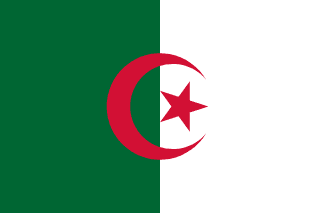

    For Argentina, heartbreak after a performance that deserved more than the silver medal. For France, a coronation — and for Mbappé, the night he stepped fully into the company of legends. The streets of three host nations may be silent now, but in Paris they will not sleep. The World Cup is going home with les Bleus.

    🏆
    France
    World Champions 2026

Next up

Go behind the results

Features, upsets and deep-dives from the predicted tournament — the longer reads beyond the daily diary.

Read the stories