The Night the Model Blinked: France Stun Spain in Extra Time
Kylian Mbappé, Ousmane Dembélé, and a tournament's worth of momentum collided with La Roja's seemingly unstoppable machine — and somehow, France came out the other side.
The Model Had Spain. France Had Other Ideas.
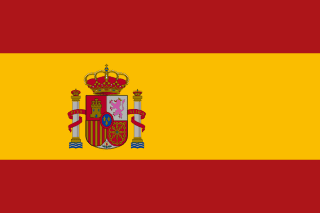
Going into the semi-final, the simulation's own architecture had tilted heavily toward Spain. La Roja had been a force of nature from the first whistle of Group H — a 4–0 demolition of Cape Verde, another 4–0 against Saudi Arabia, and a composed 2–1 win over Uruguay to close the group stage with a perfect +9 goal difference. They dismantled Austria 2–1 in the Round of 32, swept past Croatia 2–1 in the last 16, and then crushed Turkey 3–1 in the quarter-finals, with Lamine Yamal, Dani Olmo, and Mikel Oyarzabal each contributing goals. Six matches in, Spain had not conceded more than one goal in a single game. They looked, in the cold language of probability, inevitable.
France, by contrast, had been grinding. They edged past Morocco in a tense quarter-final that required extra time, with Marcus Thuram's 109th-minute winner the difference. Before that, they had survived a penalty shootout against Germany — a match that ended 2–2 after 90 minutes, with Kylian Mbappé and Marcus Thuram scoring for Les Bleus before Florian Wirtz levelled in the 84th. France were a team that kept finding ways to survive. Spain were a team that looked like they'd never need to.
Mbappé Opens the Wound, Oyarzabal Heals It — Briefly
The semi-final script, for 77 minutes, read exactly as the model feared. Mbappé struck first, as he had in virtually every France match at this tournament — his 23rd-minute opener was his eleventh goal of the competition, a predatory finish that underlined why he leads the Golden Boot race with 13 goals overall. France sat deep, absorbed pressure, and looked like they might just strangle the life out of Spain's intricate passing game. Then, in the 78th minute, Mikel Oyarzabal — who had already scored in the quarter-final against Turkey and the third-place match — levelled with a composed finish that felt like the natural order reasserting itself. The model, one imagines, exhaled.
Extra time arrived, and with it a different kind of football: stretched, anxious, full of the half-chances that haunt defenders at 2 a.m. Spain had the ball. France had Ousmane Dembélé. In the 104th minute, Dembélé — quiet for much of the tournament but devastating in flashes — found the net to make it 2–1. It was the second time in successive knockout rounds that France had won a match with a goal after the 100th minute. Thuram in the 109th against Morocco. Dembélé in the 104th against Spain. Les Bleus had become specialists in the unbearable.
What the Upset Means for the Tournament's Story
Upsets are, by definition, rare in a simulation tuned to reflect footballing reality — the digest records only two across 104 matches. That makes this result not just surprising but historically significant within the tournament's own internal logic. Spain's elimination is the single biggest deviation from expected outcomes the model produced, and it arrived at the worst possible moment for La Roja: a semi-final, one step from the final, with their best squad in a generation. Lamine Yamal, who finished the tournament with six goals and three assists, will be left to wonder what might have been. Dani Olmo, equally prolific, goes home with a third-place medal after Spain beat Brazil in a remarkable extra-time bronze-medal match.
France, meanwhile, marched into the final carrying the weight of a nation that has never quite made peace with the gap between its talent and its trophies. Against Argentina — who had beaten Brazil in a five-goal extra-time thriller of their own — they would need Mbappé at his absolute best. But that is a story for another night. Tonight belongs to the upset, to Dembélé's 104th-minute ghost goal, and to the uncomfortable truth that even the most sophisticated model in the room cannot always predict what happens when Kylian Mbappé decides a tournament is his.
Related Matches

AI-generated predictions — not real results. Not affiliated with FIFA, its member associations, teams or players.