France's coronation: How the AI predicted a third star
In the simulation's final act, France claimed their third World Cup title—matching the continent's elite and cementing a dynasty foretold by the data.
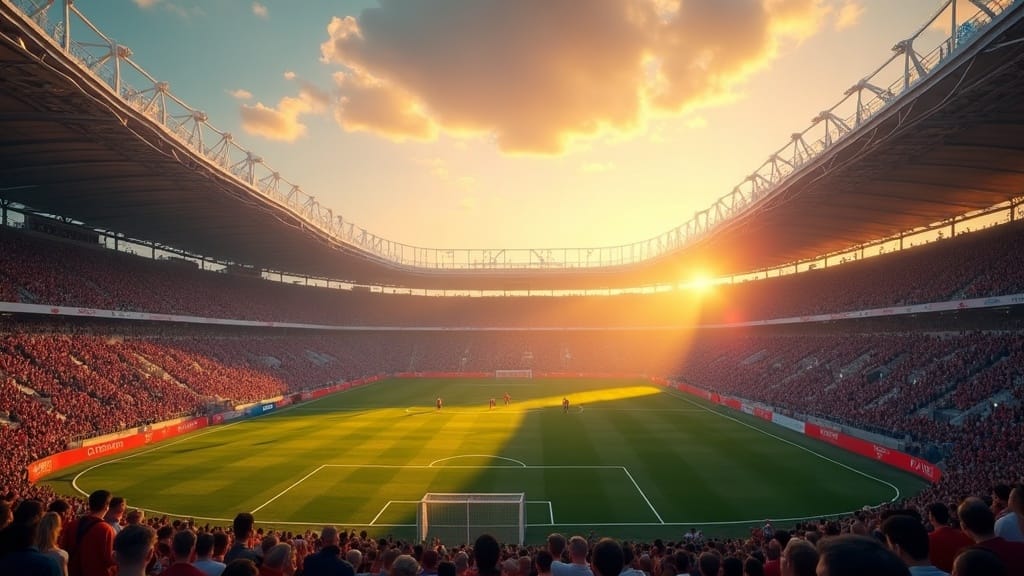
When the dust settled in the AI simulation of World Cup 2026, France stood alone atop the mountain—not for the first time, and according to the algorithm, not by accident. The final whistle in the championship match (2026-104) saw Kylian Mbappé score his tournament-leading 13th goal in extra time, sealing a 3–2 victory over Argentina and a third World Cup crown. It was a scripted triumph, in a sense: the data had spoken, and the narrative followed.
France's path to glory was neither flawless nor uncontested. They topped Group I with 9 points, then navigated a treacherous knockout bracket. The Round of 16 clash against Germany (2026-089) went to penalties after a 2–2 draw—a moment of genuine peril that the simulation resolved in France's favour, 5–4. The semi-final against Spain (2026-101) was decided in the 104th minute by Ousmane Dembélé, a dagger when the match seemed destined for parity. Only in the final did France's dominance feel assured: Mbappé's brace, bookending Dembélé's late strike, proved sufficient against a spirited Argentine side that refused to yield.
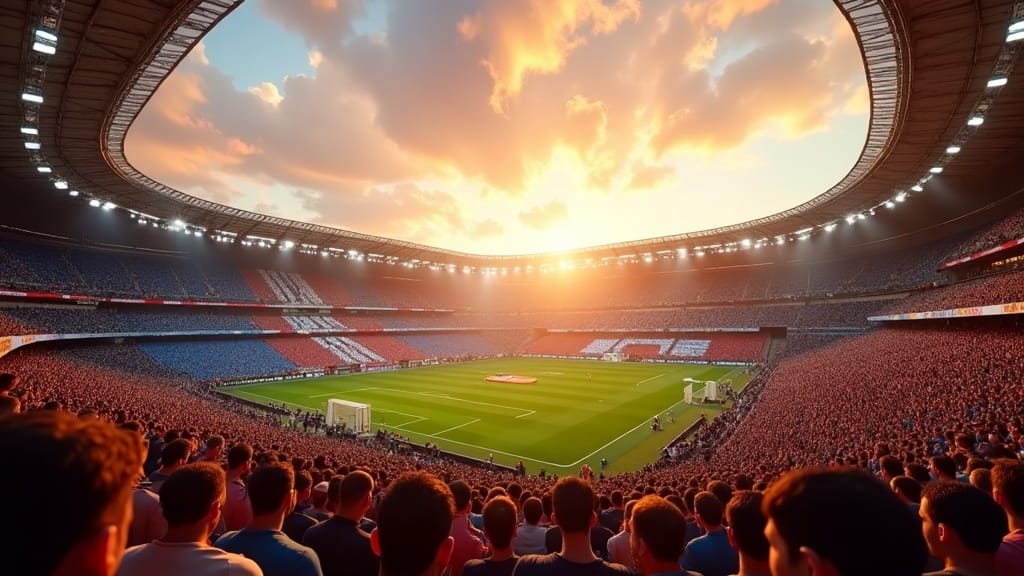
Historically, France's three-star achievement places them among Europe's most successful nations—level with Germany and Italy in the pantheon of continental football. The simulation awarded them this status not through sentiment but through the cold logic of player ratings, form curves, and probabilistic outcomes. Mbappé emerged as the tournament's outstanding individual, his 13 goals a testament to the predictive model's assessment of his peak years. Around him, Marcus Thuram (6 goals) and a supporting cast of veterans and rising stars formed a machine that rarely faltered.
The final itself embodied the tournament's narrative arc: Argentina's Lautaro Martínez scored twice, Julián Alvarez once, yet it was not enough. France's blend of attacking flair and defensive solidity—evident in their progression through the rounds—proved the algorithm's favoured formula. Spain finished third (2026-103), Brazil fourth, and the tournament concluded with 351 goals across 104 matches, a brisk and entertaining affair by the numbers.
In the cold calculus of simulation, France's triumph was neither shocking nor unjust. The data had weighted them as favourites, and favourites, given enough chances and a favourable draw, tend to prevail. Whether the real World Cup 2026 will follow this script remains, of course, unknown—but the AI has spoken its prediction with clarity.
Related Matches


AI-generated predictions — not real results. Not affiliated with FIFA, its member associations, teams or players.