
Home Soil, Global Stage: How the USMNT Performed on 2026's Biggest Platform
The United States reached the Round of 16 in its own World Cup. Here's what that meant for the host nation's football future.
The United States finished second in Group D with six points—a record that, on paper, looked modest against the tournament's elite. But context matters. Hosting a World Cup is a rare privilege, one that carries the weight of national expectation, the glare of home crowds, and the peculiar pressure of playing every match within your own borders. The USMNT seized that moment with a 2–1 victory over Paraguay in their opener, Christian Pulisic and Timothy Weah converting in the 23rd and 78th minutes. The momentum carried into their second fixture, another 2–1 win against Australia, Ricardo Pepi scoring late to secure passage.
The third match against Turkey proved the inflection point. On home soil, in front of American supporters, the USMNT fell 2–1, Arda Güler and Kenan Yıldız outpacing a tiring defence. It was a loss that stung—not because it was unexpected, but because it felt preventable. Yet the group had done its job: six points and a ticket to the knockout stage, where the real test awaited.
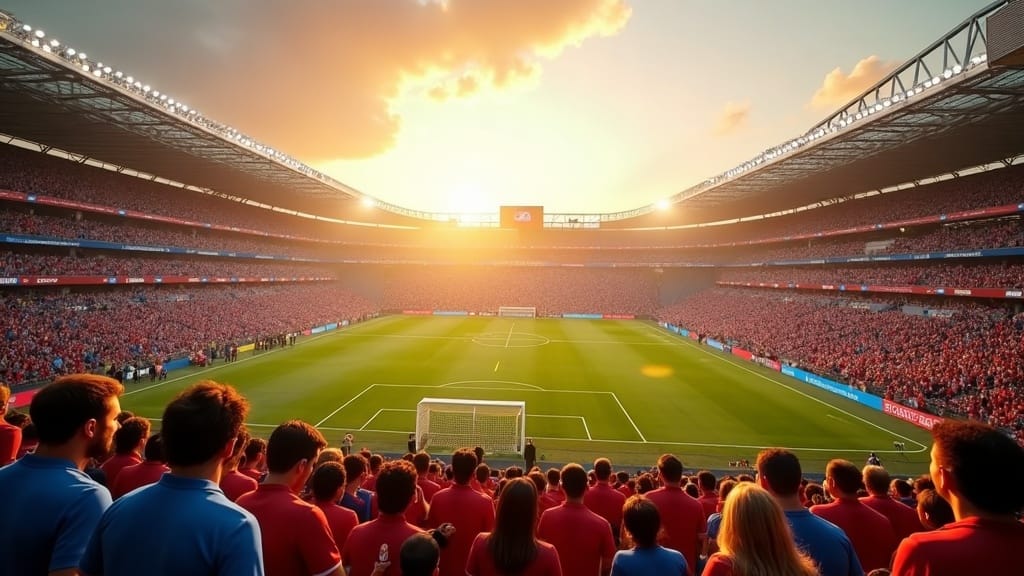
In the Round of 32, the Americans faced Egypt in a fever-dream scenario. The match finished 2–2 after extra time, Mohamed Salah and Omar Marmoush finding the net against Pulisic and a late Folarin Balogun own goal. Penalties. In a World Cup. On American soil. The USMNT held their nerve, converting four of five spot-kicks to win 4–3—a moment of catharsis that transcended sport, a snapshot of a nation's football coming of age.
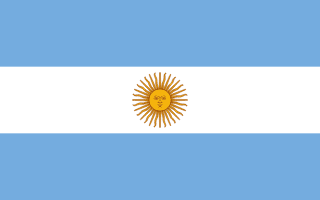
But the next hurdle was Argentina, and Argentina in 2026 was not a team to be tamed. Lionel Messi, Julián Alvarez, and Lautaro Martínez combined for five goals in a 3–1 demolition. The USMNT's tournament ended there, in the Round of 16, exactly where the data and the odds had predicted it would. No Cinderella story, no shock run to the semis. Just a solid, credible performance by a host nation learning to compete at the highest level—a foundation, perhaps, for something greater to come.
For American football, 2026 was not about winning the World Cup. It was about belonging in it, on home turf, without apology.
Related Matches





AI-generated predictions — not real results. Not affiliated with FIFA, its member associations, teams or players.