
La Roja Reborn: How Spain's AI-Simulated Machine Rolled to the Semi-Finals
From a 4–0 demolition of Cape Verde to a pulsating extra-time loss to France, the AI model painted a picture of a Spain side that never stopped believing — and never stopped scoring.
The Machine That Purred All the Way to the Final Four
The AI model's version of Spain at the 2026 World Cup was, in a word, relentless. From the opening whistle of their Group H campaign to the heartbreak of extra time in the semi-finals, La Roja conceded just three goals across seven matches while scoring seventeen — a goal difference that stood as a monument to tactical cohesion and individual brilliance. The simulation didn't just send Spain deep into the tournament; it built a compelling, data-grounded narrative of a team that looked every inch like champions-in-waiting, right up until a certain Frenchman had other ideas.

Group H: A Statement Written in Goals
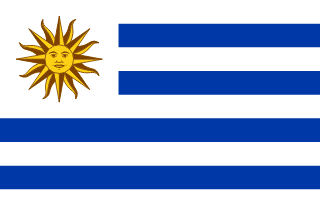
Spain announced themselves immediately. In match 2026-014, they dismantled Cape Verde 4–0, with Lamine Yamal opening the scoring in the 14th minute — a sign of things to come from the teenage winger. Dani Olmo added a second before the break, and second-half goals from Mikel Oyarzabal and Nico Williams completed the rout. The pattern repeated itself against Saudi Arabia (2026-038): another 4–0, another Yamal opener, another Olmo contribution, Williams and Oyarzabal again on the scoresheet. Nine points, nine goals scored, none conceded — Spain topped Group H with a +9 goal difference, the most emphatic group-stage record of any side in the simulation. The only mild test came in their final group game (2026-066), when Uruguay pushed back: Darwin Núñez equalised in the 54th minute before Dani Olmo settled nerves with a 76th-minute winner to seal a 2–1 victory and send a message to the rest of the draw.
The Knockout Rounds: Grit Behind the Glitter
The Round of 32 brought Austria (2026-084), and for the first time Spain were made to work. Yamal struck first in the 23rd minute, but Christoph Baumgartner levelled just after the hour. It took until the 84th minute — deep into stoppage time — for Dani Olmo to ghost in and restore the lead, sending Spain through 2–1 in a match that revealed their resilience as much as their flair. The Round of 16 (2026-093) paired them with Croatia, a side with the pedigree to trouble anyone. Kramarić pulled one back in the 52nd minute to make it nervy, but the AI's model had already logged a Lamine Yamal opener in the 23rd and an Olmo insurance goal in the 78th — a 2–1 win that confirmed Spain as genuine contenders. The quarter-final (2026-098) was perhaps their finest hour: Turkey, who had eliminated the United States in the group stage and dispatched Bosnia and Herzegovina in the knockouts, were swept aside 3–1. Yamal again set the tone early; Hakan Çalhanoğlu briefly threatened, but Oyarzabal and Olmo — both finishing the tournament with six goals apiece — put the tie to bed with clinical second-half finishes.
The Architects: Yamal, Olmo, and a Supporting Cast of Stars
The AI model's top-scorer charts tell the story of a team built on collective contribution rather than a single superstar. Lamine Yamal finished with six goals and three assists across the tournament — an extraordinary return for a player whose real-world trajectory already has the football world holding its breath. Dani Olmo matched him goal-for-goal at six, providing the composure and late-game intelligence that unlocked resistant defences time and again. Mikel Oyarzabal and Nico Williams contributed crucial goals at key moments, while the defensive structure allowed Spain to concede a miserly three times in seven games. The model essentially projected a Spain side that had absorbed the lessons of their real-world Euro 2024 triumph and scaled them to the grandest stage.
The Exit: Dembélé's Dagger in Extra Time
The semi-final (2026-101) against France was the match the simulation seemed to have been building toward. Kylian Mbappé — the tournament's top scorer with 13 goals — struck first in the 23rd minute, but Mikel Oyarzabal levelled in the 78th to force extra time and send the tie into a breathless additional thirty minutes. Then, in the 104th minute, Ousmane Dembélé delivered the cruelest of blows, tucking away the winner to send France to the final 2–1. It was a devastating end to a campaign that had promised so much. Yet Spain were not done: in the third-place play-off (2026-103), they faced Brazil in another extra-time thriller, with Nico Williams opening and Oyarzabal — ever the big-game player — netting the winner in the 104th minute to secure a 2–1 victory and the bronze medal. Third place, the model suggested, was the floor of Spain's ambition, not the ceiling. The next simulation cycle may well find them going one step further.
Related Matches








AI-generated predictions — not real results. Not affiliated with FIFA, its member associations, teams or players.